"मनोशक्ति"
Mental Health Programme
Because Strong Minds Build Strong Futures
Mental health is an increasingly critical concern among adolescent girls in India, particularly in rural and low-resource settings. Research indicates that a significant proportion of mental health conditions begin during adolescence, yet a large awareness and treatment gap persists. Limited understanding, social stigma, and lack of accessible support systems often leave young girls navigating emotional challenges without guidance.
Girls, particularly from rural areas and lower socio-economic backgrounds, face multiple stressors shaped by household responsibilities, gender roles, socio-economic inequalities, and community expectations. In some cases, risks such as early marriage further intensify emotional pressure. These challenges are often experienced silently but have a direct impact on confidence, decision-making, and continuity in education, leading to disengagement and, in some cases, educational dropout.
To address this gap, Panth Foundation implements a community-based Mental Health Program focused on awareness, early identification, and supportive environments. The program works with adolescent girls to build understanding of emotional wellbeing and its connection to education and daily life, while creating safe spaces where girls can express themselves without fear or judgement.
Panth also engages teachers and parents as key stakeholders in strengthening mental health support systems. Teachers are trained as first responders to identify early signs of emotional distress through changes in behaviour, participation, and learning patterns. Parents are engaged to reduce stigma, improve awareness, and create supportive home environments.
By integrating mental health into its core approach, Panth ensures that girls are not only able to continue their education but also develop the confidence, resilience, and emotional strength needed to navigate their futures.
Community
Mental Health Programme
Through the Community Mental Health Program, Panth Foundation works to strengthen the support systems around adolescent girls by creating environments where emotional wellbeing can be understood and supported within everyday life. Rather than relying solely on individual interventions, the program builds community-based support through girls, families, teachers, and local stakeholders.
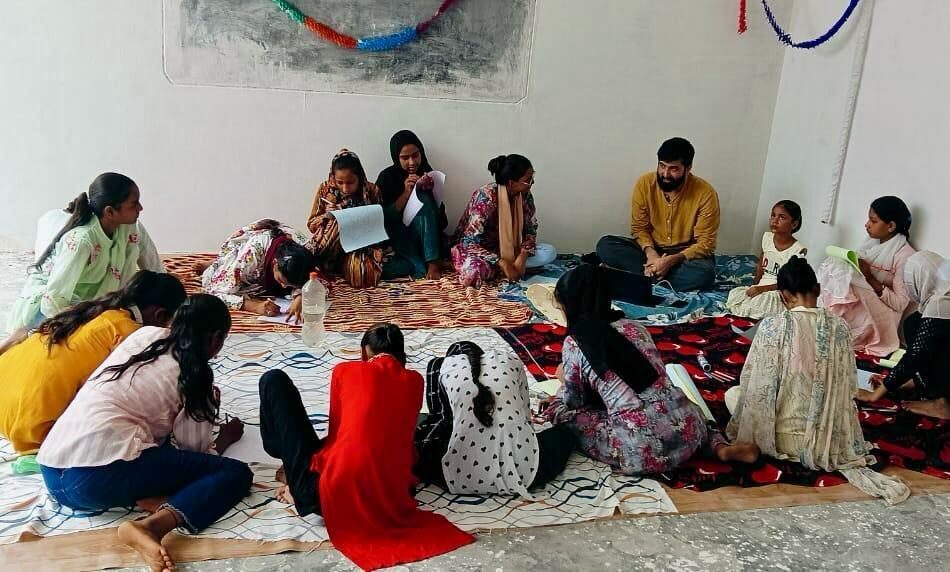
The program creates safe spaces where girls can share their experiences, seek support without judgement, and build meaningful peer connections. Through regular engagement, we identify girls experiencing emotional distress and provide informal one-to-one emotional support. Where additional care is needed, we facilitate referrals to appropriate counselling services, helplines, and other available support systems, ensuring timely access to professional care when required.
Mental Health Literacy
(MHL)
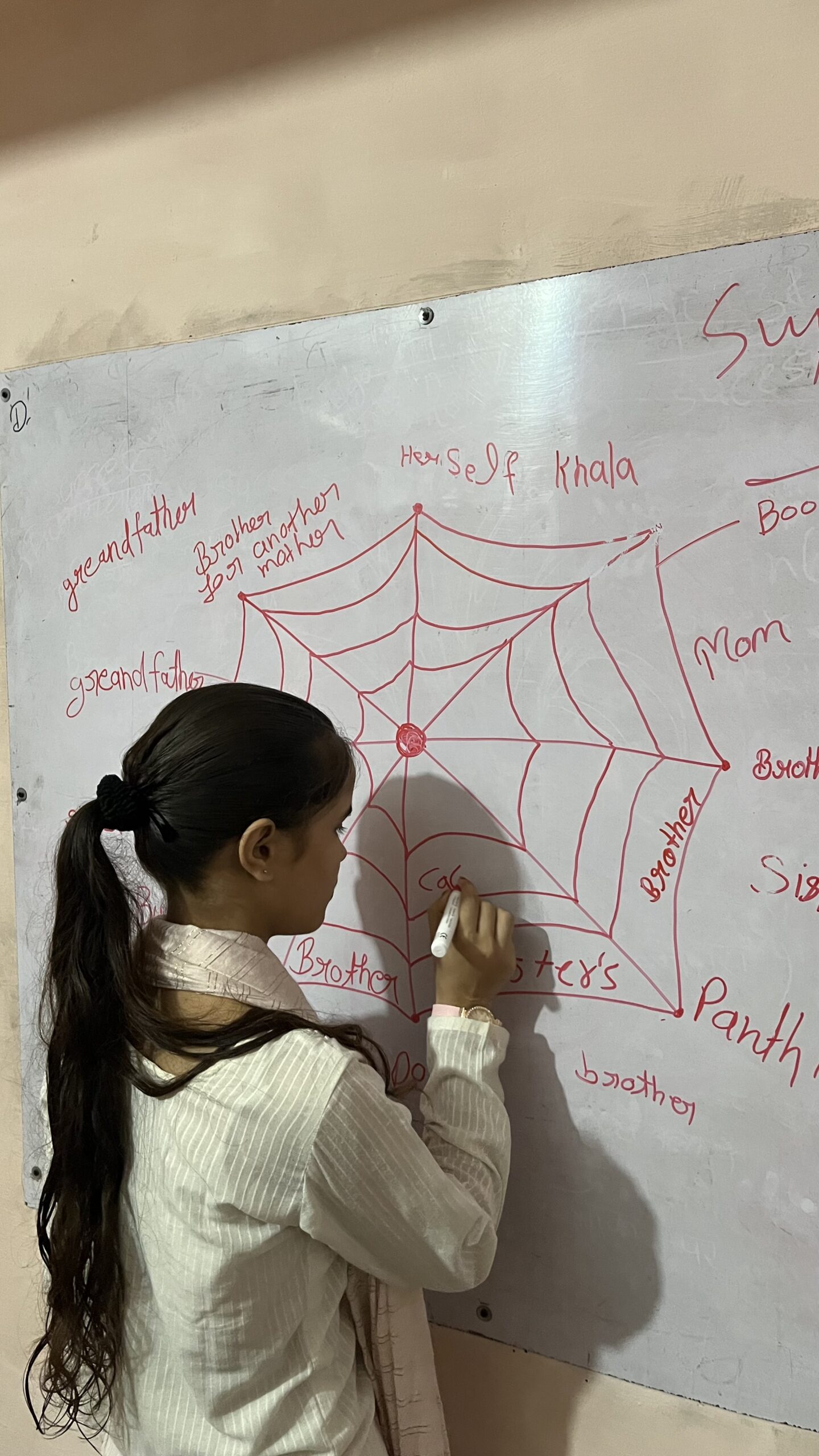
The Mental Health Literacy (MHL) Program builds practical understanding of emotional wellbeing among adolescent girls, parents, and teachers. It helps participants recognise emotions, identify early signs of distress, reduce stigma, and develop the confidence to seek support when needed.
Girls learn to understand and express their emotional experiences, ask meaningful questions, and recognise when they or someone else may need help. Parents develop a better understanding of adolescent emotional and behavioural changes within everyday family life, while teachers strengthen their ability to identify distress, respond with empathy, and promote emotionally supportive learning environments. Together, the program creates a shared language around mental health across home, school, and community settings.
Program Outcomes
Together, these programs strengthen the capacity of girls, families, teachers, and communities to recognise, understand, and respond to emotional wellbeing. Girls develop greater emotional awareness, confidence, and help-seeking behaviours that support continued participation in education and community life.
Parents become better equipped to support adolescent mental wellbeing and reduce stigma within the home, while teachers strengthen their ability to recognise distress, respond appropriately, and promote emotionally supportive learning environments. This work is further strengthened through Panth Foundation’s ongoing mental health capacity-building initiatives with teachers in partnership with ECHO India, extending support beyond individual schools and contributing to stronger community-based mental health systems.
By strengthening support across home, school, and community settings, the program promotes earlier identification of emotional challenges, timely access to support, and more supportive environments where adolescent girls can thrive.